About Adidas

Adidas is a multinational corporation, founded and headquartered in HerzogenaurachGermany, that designs and manufactures shoes, clothing and accessories. It is the largest sportswear manufacturer in Europe, and the second largest in the world, after Nike.[5][6] It is the holding companyfor the Adidas Group, which consists of the Reebok sportswear company, TaylorMade golf company (including Ashworth), Runtastic, an Austrian fitness technology company and 8.33% of German football club Bayern Munich. Adidas’ revenue for 2016 was listed at 19.29 billion.[3]

The company was started by Adolf Dassler in his mother’s house; he was joined by his elder brother Rudolf in 1924 under the name Dassler Brothers Shoe Factory. Dassler assisted in the development of spiked running shoes (spikes) for multiple athletic events. To enhance the quality of spiked athletic footwear, he transitioned from a previous model of heavy metal spikes to utilising canvas and rubber. Dassler persuaded U.S. sprinter Jesse Owens to use his handmade spikes at the 1936 Summer Olympics. In 1949, following a breakdown in the relationship between the brothers, Adolf created Adidas, and Rudolf established Puma, which became Adidas’ business rival.[1]

Adidas’ logo is three stripes, which is used on the company’s clothing and shoe designs as a marketing aid. The branding, which Adidas bought in 1952 from Finnish sports company Karhu Sports, became so successful that Dassler described Adidas as “The three stripes company“.[7][8][9] The brand name is uncapitalized and is stylized with a lower case “a”
About Nike

Nike is an American multinational corporation that is engaged in the design, development, manufacturing, and worldwide marketing and sales of footwear, apparel, equipment, accessories, and services. The company is headquartered near BeavertonOregon, in the Portland metropolitan area. It is the world’s largest supplier of athletic shoes and apparel[4] and a major manufacturer of sports equipment, with revenue in excess of US$24.1 billion in its fiscal year 2012 (ending May 31, 2012). As of 2012, it employed more than 44,000 people worldwide. In 2014 the brand alone was valued at $19 billion, making it the most valuable brand among sports businesses.[5] As of 2017, the Nike brand is valued at $29.6 billion.[6] Nike ranked No. 89 in the 2018 Fortune 500 list of the largest United States corporations by total revenue.[7]

The company was founded on January 25, 1964, as Blue Ribbon Sports, by Bill Bowerman and Phil Knight, and officially became Nike, Inc. on May 30, 1971. The company takes its name from Nike, the Greek goddess of victory.[8]Nike markets its products under its own brand, as well as Nike Golf, Nike Pro, Nike+Air JordanNike BlazersAir Force 1, Nike Dunk, Air Max, Foamposite, Nike Skateboarding, Nike CR7,[9] and subsidiaries including Brand Jordan, Hurley International and Converse. Nike also owned Bauer Hockey (later renamed Nike Bauer) from 1995 to 2008, and previously owned Cole Haan and Umbro.[10] In addition to manufacturing sportswear and equipment, the company operates retail stores under the Niketown name. Nike sponsors many high-profile athletes and sports teams around the world, with the highly recognized trademarks of “Just Do It” and the Swoosh logo.

About Materials

Running shoes are made from a combination of materials. The sole has three layers: insole, midsole, and outsole. The insole is a thin layer of man-made ethylene vinyl acetate (EVA). The components of the midsole, which provides the bulk of the cushioning, will vary among manufacturers. Generally it consists of polyurethane surrounding another material such as gel or liquid silicone, or polyurethane foam given a special brand name by the manufacturer. In some cases the polyurethane may surround capsules of compressed air. Outsoles are usually made of carbon rubber, which is hard, or blown rubber, a softer type, although manufacturers use an assortment of materials to produce different textures on the outsole.

The rest of the covering is usually a synthetic material such as artificial suede or a nylon weave with plastic slabs or boards supporting the shape. There may be a leather overlay or nylon overlay with leather attachments. Cloth is usually limited to the laces fitted through plastic eyelets, and nails have given way to an adhesive known as cement lasting that bonds the various components together.

Design

The last 15 years have witnessed great changes in the design of the running shoe, which now comes in all styles and colors. Contemporary shoe designers focus on the anatomy and the movement of the foot. Using video cameras and computers, they analyze such factors as limb movement, the effect of different terrains on impact, and foot position on impact. Runners are labeled pronators if their feet roll inward or supinators if their feet roll to the outside. Along with pressure points, friction patterns, and force of impact, this information is fed into computers which calculate how best to accommodate these conditions. Designers next test and develop prototypes based on their studies of joggers and professional runners, readying a final design for mass production.

A running shoe may have as many as 20 parts to it, and the components listed below are the most basic. The shoe has two main parts: the upper, which covers the top and sides of the foot, and the bottom part, which makes contact with the surface.

As we work our way around the shoe clockwise, starting at the front on the upper part is the featherline, which forms the edge where the mudguard (or toeguard) tip meets the bottom of the shoe. Next is the vamp, usually a single piece of material that gives shape to the shoe and forms the toe box. The vamp also has attachments such as the throat, which contains the eyestay and lacing section. Beneath the lacing section is the tongue, protecting the foot from direct contact with the laces. Also attached to the vamp along the sides of the shoe are reinforcements. If sewn on the outside of the shoe these reinforcements are called asaddle; if sewn on the inside, they are called an arch bandage. Further towards the back of the shoe is the collar, which usually has an Achilles tendon protector at the top back of the shoe. The foxing shapes the rear end of the shoe. Underneath it is a plastic cup that supports the heel, the heel counter.


Sneaker Customization

First off you need to have all the right materials to do a proper custom job. When painting leather the only paint I recommend is Angelus paint (Google it). Then there’s acetone, rubber gloves, cotton balls, a glass that’s not made of plastic, medium and liner paintbrushes and an airbrush if you’re going that route, masking tape, an x-acto knife, a matte finisher and lastly a hair dryer (which is optional)

The most important part of any custom job is the prep work! You can have an awesome paintjob, but if the shoe wasn’t prepped properly that couple of hours you spent is going to be a waste when it cracks and peels after the first time wearing them. The key is to strip off the factory coating on the shoe so the paint will bond with the leather properly. First thing, put on your gloves. Take your acetone (its cheap and you can buy it any any hardware store) and soak cotton balls with it. With those cotton balls you’re going rub that coating off the leather….the coating may leave a paste-y residue when it comes off, that’s supposed to happen. You’ll go through a lot of cotton balls if you’re doing this properly. the leather may be grey now that the layer is off, but not always….run your finger over the surface and if it’s still really smooth you haven’t taken the layer all the way off. This process alone can take between 30-40 minutes

OK the coating is off, now it’s time to mask these off. There are lots of types of tape you can use, I use Scotch masking tape. I’ll then cover all the areas that I don’t want to get paint on, then I’ll use an X-Acto knife and cut along the edges so I have clean lines.

OK the shoes are prepped, time to paint. I’ll start mixing colors, I rarely use colors straight from the bottle as it’s never an exact match. This is just trial and error, the more you do this the better you will get.

When applying paint, always paint in light, thin layers to avoid streaks and looking like it’s painted. Some colors aren’t as opaque as others. You may need more coats to achieve an even finish like red or yellow. Just make sure the layer dries before applying the next coat. You can use the hair dryer to speed up the process.

You’re done with painting! Are you done with the custom? Not yet, you need to seal them. Before I do any finishing I’ll do one more pass with the hair dryer to make sure all the paint has dried. Once the shoe is completely dry even though the Angelus paint is made to hold up to the elements I want to take that gloss the paint leaves off so it looks more factory. There are tons of finishers out there, even Angelus makes one. I personally use Krylon Matte finisher, you can get it at arts and crafts stores. The fumes are kinda crazy, so spray an even light coat over the shoe and let that dry.

Why we buy sneakers?

The truth is, there’s many reasons why we decide to buy a particular pair of kicks. Some of the reasons include because you love a particular silhouette, or maybe you’re a fan of a certain colorway, or maybe because the shoe has some emotional significance to you. I don’t want to give them all away so I’ll let you read the rest of this article.

Of course sometimes we make instinct purchases, but even those shoes have a valid reason as to why we bought them. Buying sneakers is not a cheap hobby, so the next time that you’re about to buy a pair of shoes, ask yourself “Why am I buying this pair of shoes?”

So without further ado, here are 10 Reasons Why We Buy Sneakers:

  • Emotional Attachment
  • Exclusivity
  • History
  • Comfort
  • Affordable ( not always)
  • Colorway
  • Brand Loyalty
  • Hype
  • Silhouette Collector
  • Because you like it

Most Expensive Sneakers Now

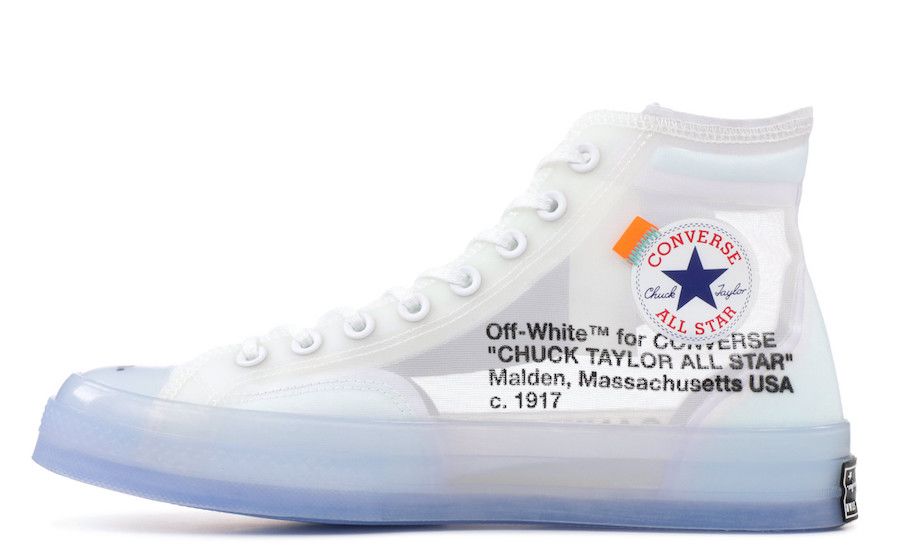
1.OFF-WHITE x  Converse — $1,0997503789849113_5208475255924


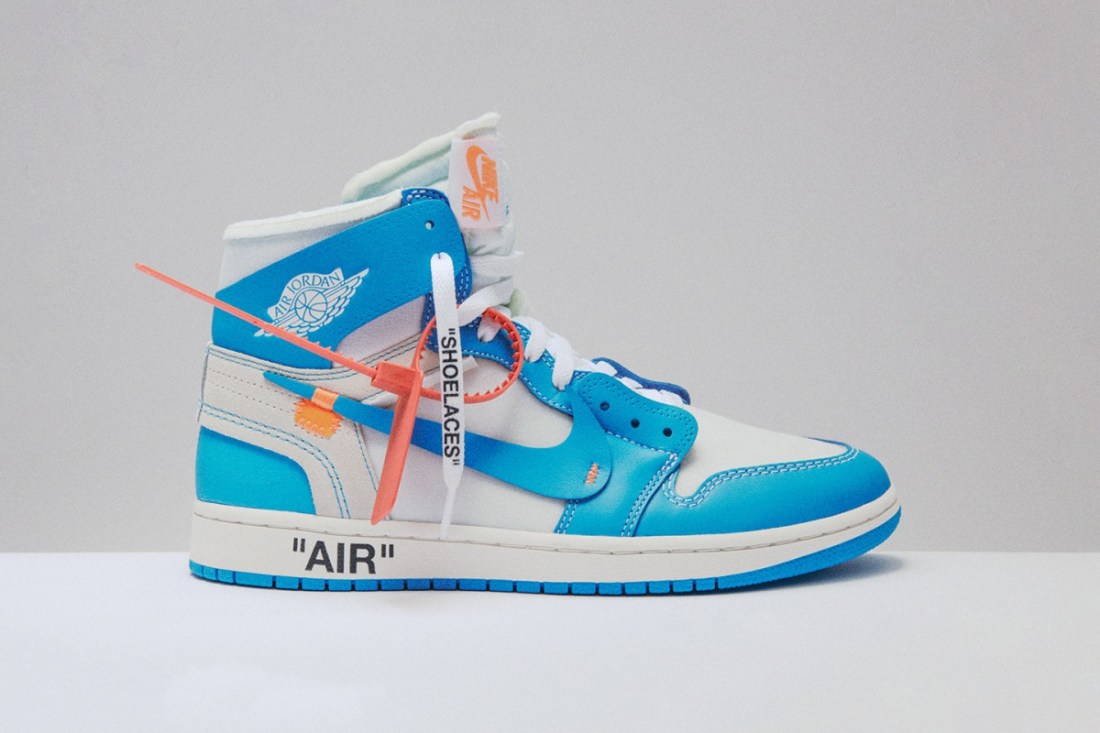
2.Nike x OFF-WHITE Air Jordan 1 — $1,140

317-1200x800.jpg

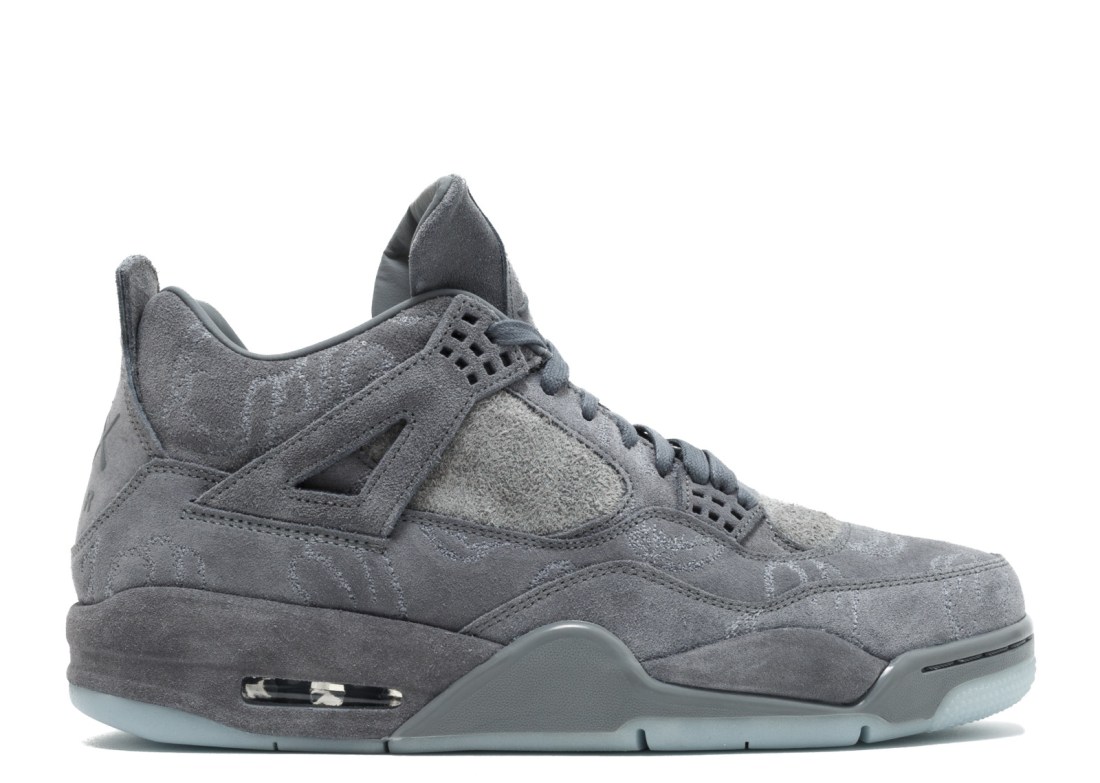
3.Jordan 4 Retro “Kaws” — $1,400

800624_1.jpg


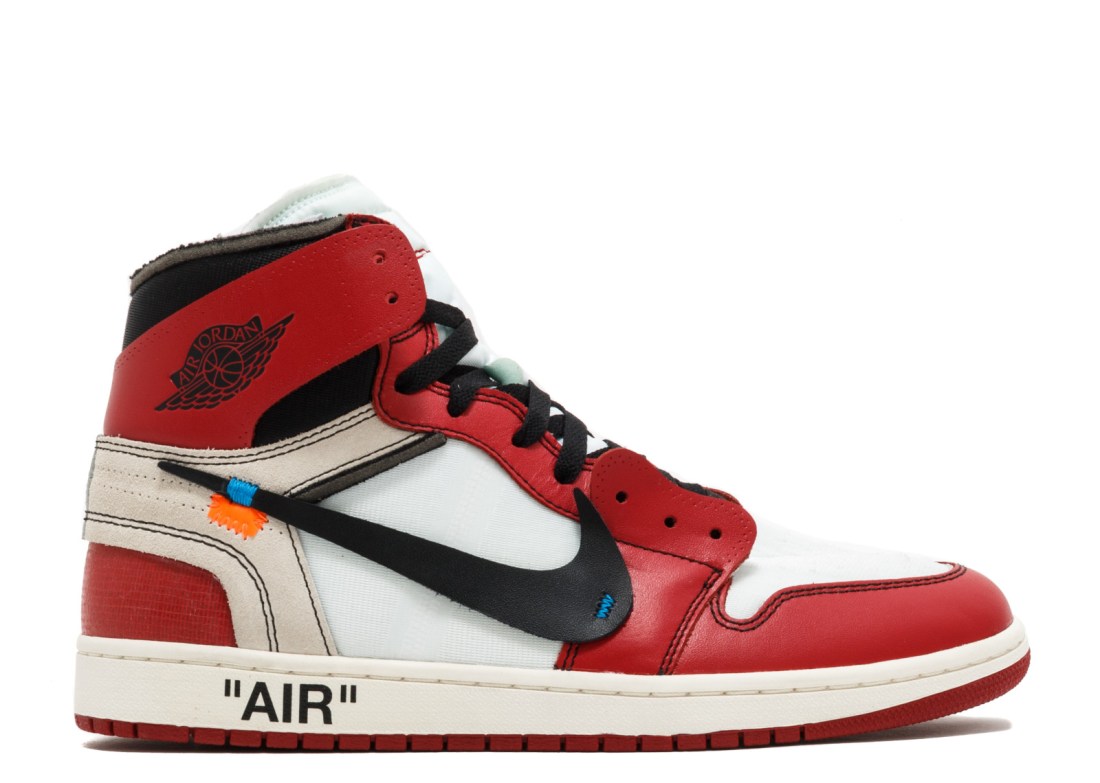
4.Nike x OFF-WHITE Air Jordan 1 — $2,100

off white nike jordan-baratas-716mbr.jpg


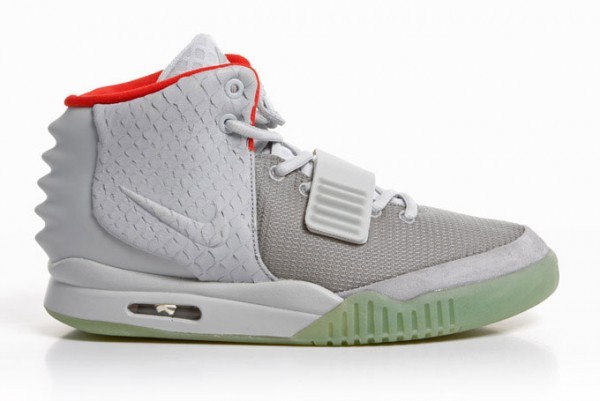
5.Kanye West x Nike Air Yeezy 2 “Pure Platinum” — $3,700

yeezy1222-03

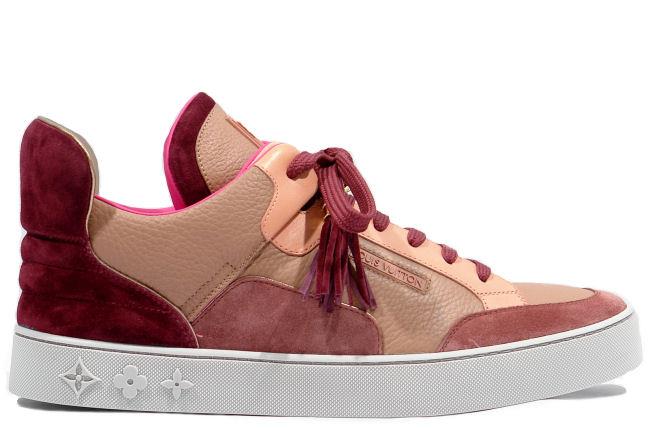
6.Louis Vuitton x Kanye West Don “Patchwork” — $4,500

1322


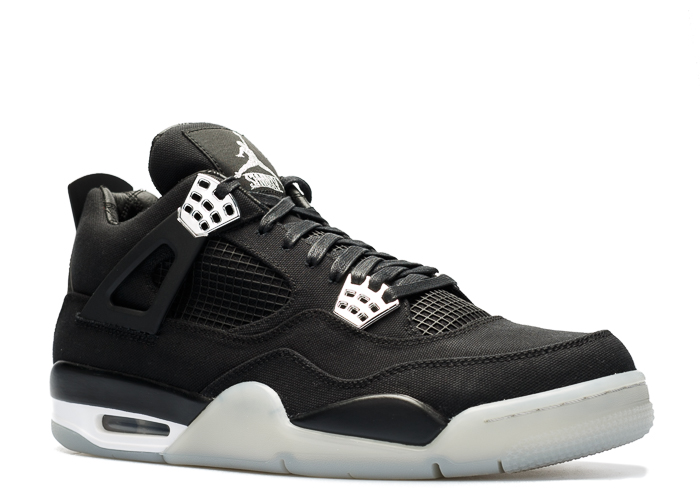
7.Jordan 4 Retro “Eminem x Carhartt” — $17,000

air-jordan-4-retro-carhartt-x-eminem-blk-chrome-white-012355_2


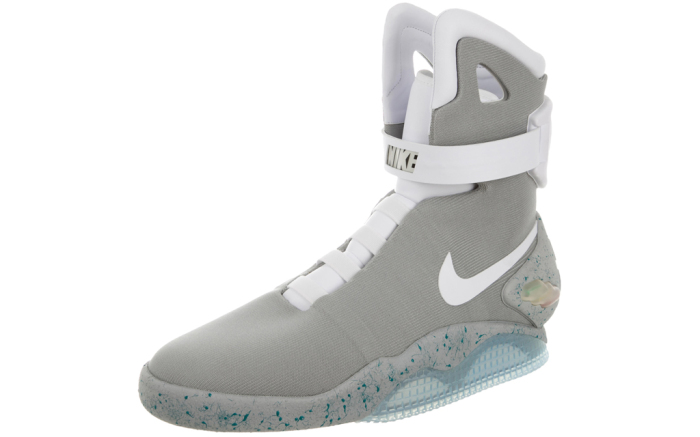
8.Nike Air MAG Back to the Future (2016) — $20,000

WU2


 These are some of the most expensive sneakers out there, hope you like it though.

source: https://www.highsnobiety.com/

The collectors

1) KENNY G

Known for his big sneaker collection, Kenny G is a casino owner who has almost every Jordan you could ever want.

His collection boasts sneakers like the Jordan 4 Eminems valued at 2500$ and also contains a ton of samples and PE sneakers.

One of the most notable thing about his collection is that he has almost every Jordan Oregon ever made: his collection is truly one of a kind.

2) QIASOMAR

Qias is  the most popular sneaker youtuber (in sneaker domain) in the world.

He has three channels with about 700,000 subscribers spread over each channel. Although he has not recently done a full collection video.

3) SHOE BUTTER

One of the biggest collections on this list we have Shoe Butter. He has almost 65000 followers on his Instagram.

His collection is estimated to be worth 5 million dollars and he is known for his miss treatment of his most expensive sneakers. A fun fact about him is he actually owns a “shoe-partmen” (shoe appartmen) which is where his sneaker are stored

4) MAYOR

true OG, Mayor has been in the shoe game since it started.

His huge collection is full of ID Nike AF 1s and many more sneakers. He gained some publicity for miss treating his $25000 Undefeated 4s


Source: https://www.urbanjunglestore.com/en/